
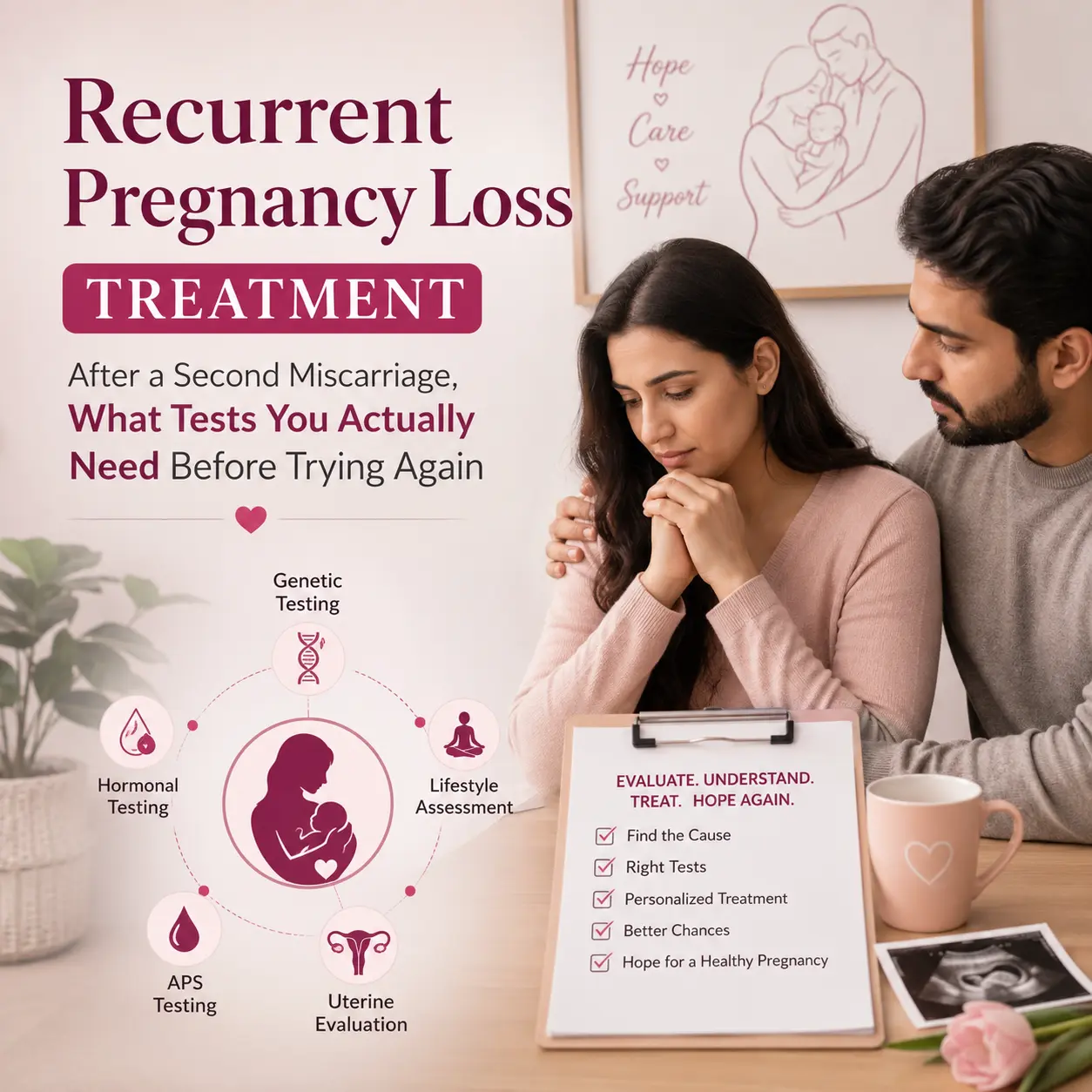
Losing a pregnancy is one of the most painful experiences a person can go through. When it happens a second time, the emotions often become even more overwhelming. Along with grief, many couples are left asking, “Why did this happen again?” and “Is there anything we can do before trying for another baby?”
The good news is that a second miscarriage does not mean you cannot have a healthy pregnancy in the future. Advances in reproductive medicine have made it possible to identify many underlying causes of pregnancy loss, allowing couples to receive personalized care and improve their chances of a successful pregnancy.
If you have experienced two consecutive miscarriages, seeking expert advice for Recurrent Pregnancy Loss Treatment can provide clarity, reassurance, and a plan tailored to your individual needs.
Understanding Recurrent Pregnancy Loss
Recurrent Pregnancy Loss (RPL) refers to having two or more pregnancy losses, whether they occur before or after a heartbeat is detected. While many couples believe miscarriage is simply “bad luck,” repeated losses deserve proper medical evaluation.
Approximately 1–2% of couples experience recurrent pregnancy loss. In many cases, the underlying cause can be identified and treated.
Most importantly, having two miscarriages does not mean you will never have a baby. Many women go on to have healthy pregnancies after appropriate evaluation and Recurrent Pregnancy Loss Treatment.
After a Second Miscarriage: Should You Get Tested?
Yes.
Earlier, testing was often recommended only after three miscarriages. However, current international guidelines increasingly support beginning evaluation after two pregnancy losses, especially if:
- You are over 35 years of age
- The miscarriages happened consecutively
- There is difficulty conceiving
- There is a history of fertility treatment
- There are known medical conditions like thyroid disorders or autoimmune diseases
Starting investigations early may help identify treatable conditions before your next pregnancy.
What Tests You Actually Need Before Trying Again
Not every couple needs every test. Your fertility specialist will recommend investigations based on your medical history and previous pregnancy outcomes.
1. Detailed Medical and Pregnancy History
Your doctor will first review:
- Timing of each miscarriage
- Ultrasound findings
- Pregnancy tissue reports (if available)
- Menstrual history
- Previous surgeries
- Family history of pregnancy loss or genetic disorders
This information often provides valuable clues before laboratory testing begins.
2. Genetic Testing
Sometimes pregnancy loss occurs because of random chromosome abnormalities.
Your doctor may recommend:
- Parental karyotyping (chromosome analysis)
- Genetic testing of pregnancy tissue (if available from the miscarriage)
These tests help determine whether a genetic factor contributed to the pregnancy loss.
3. Uterine Evaluation
The shape and health of the uterus play an important role in maintaining pregnancy.
Investigations may include:
- Transvaginal ultrasound
- 3D ultrasound
- Saline infusion sonography
- Hysteroscopy (if needed)
These tests can detect:
- Uterine septum
- Fibroids
- Polyps
- Scar tissue (Asherman’s Syndrome)
- Congenital uterine abnormalities
Many of these conditions are treatable.
4. Hormonal Testing
Hormonal imbalances can interfere with implantation and early pregnancy development.
Common tests include:
- Thyroid function (TSH)
- Prolactin
- Blood sugar evaluation
- Ovarian reserve (AMH, when appropriate)
Correcting hormonal problems often improves pregnancy outcomes.
5. Antiphospholipid Syndrome (APS) Testing
APS is an autoimmune condition that increases the risk of miscarriage.
Blood tests may include:
- Lupus anticoagulant
- Anticardiolipin antibodies
- Beta-2 glycoprotein antibodies
When diagnosed early, APS can often be successfully managed during pregnancy.
6. Lifestyle Assessment
Sometimes lifestyle factors contribute to miscarriage risk.
Your specialist may discuss:
- Smoking
- Alcohol intake
- Obesity
- Poor nutrition
- Stress management
- Sleep quality
- Certain medications
Even small lifestyle improvements can support reproductive health.
Tests That Are Not Always Necessary
One of the biggest concerns couples have is whether they need “every possible test.” The answer is no.
In most cases, routine immune testing, extensive thrombophilia panels (unless indicated), and unnecessary hormone testing are not recommended for everyone. An experienced fertility specialist will suggest investigations based on your personal history rather than ordering large panels of tests that may not improve outcomes.
This personalized approach helps reduce unnecessary costs and anxiety.
Can Recurrent Pregnancy Loss Be Treated?
Yes—depending on the underlying cause.
Recurrent Pregnancy Loss Treatment may include:
Hormonal Support
- Progesterone supplementation when indicated
- Thyroid treatment
- Blood sugar control
Surgical Treatment
- Removal of uterine septum
- Fibroid or polyp removal
- Treatment of uterine adhesions
Autoimmune Management
Women diagnosed with APS may require medications such as low-dose aspirin and blood-thinning injections under specialist supervision.
Genetic Counseling
If chromosome abnormalities are identified, genetic counseling helps couples understand their options, including IVF with genetic testing in selected cases.
When Is It Safe to Try Again?
This is one of the most common questions after miscarriage.
For many couples, trying again is possible once:
- Physical recovery is complete
- Bleeding has stopped
- The cause of miscarriage has been evaluated (if indicated)
- Emotional readiness has returned
There is no single timeline that fits everyone. Your fertility specialist can guide you based on your health, age, and previous pregnancy history.
Looking After Your Emotional Health
Repeated pregnancy loss affects much more than the body. It can bring grief, anxiety, guilt, and fear about future pregnancies.
Remember:
- Your emotions are valid.
- Miscarriage is rarely caused by anything you did.
- Asking for emotional support is a sign of strength, not weakness.
Talking with your partner, trusted family members, a counselor, or your healthcare team can make this journey feel less isolating.
Frequently Asked Questions (FAQs)
Should I see a fertility specialist after two miscarriages?
Yes. Current recommendations increasingly support evaluation after two consecutive pregnancy losses, especially if there are additional risk factors.
Will I definitely miscarry again?
No. Many couples with recurrent pregnancy loss go on to have healthy pregnancies after appropriate evaluation and treatment.
Are all miscarriages caused by genetic problems?
No. While chromosome abnormalities are common in early pregnancy loss, hormonal, anatomical, autoimmune, and other factors can also contribute.
Can lifestyle changes reduce miscarriage risk?
Healthy lifestyle habits support overall reproductive health, although they cannot prevent every miscarriage.
Will I need IVF?
Not necessarily. IVF is recommended only in selected situations, such as certain genetic conditions or infertility. Many couples conceive naturally after appropriate treatment.
Why Choose Medfemme Women’s Clinic, South Delhi?
At Medfemme Women’s Clinic, Hauz Khas, Dr. Tejashri Shrotri offers compassionate, evidence-based care for couples experiencing repeated pregnancy loss.
Our approach to Recurrent Pregnancy Loss Treatment includes:
- Comprehensive miscarriage evaluation
- Advanced ultrasound and uterine assessment
- Hormonal and autoimmune investigations
- Personalized pregnancy planning
- High-risk pregnancy care
- Emotional support throughout your fertility journey
We proudly support patients from Hauz Khas, Greater Kailash (GK), Saket, Green Park, Malviya Nagar, Panchsheel Park, Defence Colony, CR Park, and Lajpat Nagar, providing expert fertility and pregnancy care close to home.
Final Thoughts
Experiencing a second miscarriage can leave you feeling uncertain about the future—but it does not mean hope is lost. The next step is not to blame yourself or rush into another pregnancy without answers. Instead, consider a thoughtful medical evaluation that focuses on identifying treatable causes.
With the right Recurrent Pregnancy Loss Treatment, personalized investigations, and compassionate care, many couples go on to welcome healthy babies. You do not have to navigate this journey alone. A fertility specialist can help you understand what happened, what tests are appropriate, and how to move forward with confidence and hope.
